24/7 emergency water response, every day of the yearIndependent licensed & insured pros · Call +1-877-637-9008
24/7 Emergency Dispatch

Burst Pipe Repair in Morgan County County, OH

Water damage hits farmhouses and village homes just as hard as anything in the city. A single call to Water Heater Repairer puts you in touch with licensed and insured independent crews already working in Morgan County. Town lots, rural routes, and manufactured homes all fall inside the map.

  • Licensed & insured independent pros
  • Town and rural coverage
  • Upfront written estimates
Licensed Burst Pipe Repair service in Morgan County County, OH - Water Heater Repairer
A real person answers, day or night. Tell us the road, the water source, and how long it has been running.
Who We Are

A County-Wide Line for Water Emergencies

Water Heater Repairer is a no-cost referral and dispatch service, not a contractor. We take the call, triage the water problem, and connect you with an independent contractor who covers Burst Pipe Repair across Morgan County.

County work is different from city work, and anybody who has run a dispatch board for long enough knows it. A city-based crew might stay inside a handful of tight neighborhoods all day. In Morgan County, a single shift can run from a newer subdivision near the highway to an old farmhouse down a gravel lane and then to a small-town church basement after supper. Because of that spread, the network matches calls by area rather than sending everything from one shop.

Each call starts with a dispatcher asking a few questions that really count. Where is the water coming from, and is it still running? Is it clean supply water, appliance discharge, or something from the septic or a flooded field? Does the home run on town utilities, or on a private well and septic tank? Those answers decide which independent contractor gets the call and what equipment comes on the truck.

Each contractor in the network runs an independent business. They bring their own licensing where it applies, their own insurance, and their own equipment. A good number hold IICRC training for S500 water work and S520 mold work, but it varies, so ask for proof when the crew pulls up. A legitimate contractor will hand over proof of insurance and contact details without hesitation.

How Routing Works Across the County

The network follows the way the county is actually laid out. Contractors are grouped by the towns and road corridors they serve, so a pro near the county seat is not sent across the county while a closer one sits open. Some contractors focus on emergency extraction and drying, others specialize in sewage and septic cleanup, and some handle full reconstruction. The dispatcher picks the pro whose gear and experience fit your loss, not simply the first one to answer. If the first contractor is unavailable, the call goes to the next closest one and you never have to repeat yourself.

Things to Check Before Anyone Starts

Before any carpet comes up or any drywall gets cut, spend two minutes confirming a few points. Get the company name, a current proof of insurance, and a written scope or estimate. If you are filing a claim, ask whether the pro keeps moisture readings and photo logs for the adjuster. If something about the visit feels off, call us back and we can route you to a different independent contractor.

Professional Burst Pipe Repair technician working in Morgan County County, OH
Services

Burst Pipe Repair Services Across Morgan County

From the first gallon pumped out to the last strip of trim nailed back on, these are the jobs independent contractors in the network take on every week.

24/7 Emergency Water Response

The first few hours decide how large the job becomes. Water wicks up drywall, swells particleboard subfloors, and soaks into carpet pad faster than most people expect. Within a day or two, a clean-water loss can turn into a mold job. That is why the line is staffed around the clock and why emergency calls go straight to the contractor on duty closest to your road.

On an emergency visit, the crew that arrives typically starts with source control and safety. They confirm the water is shut off, check whether electrical circuits near the water need to be killed at the panel, and then start extraction with portable or truck-mounted units. For standing water in a basement or crawlspace, that may mean a submersible trash pump first. Then come moisture readings, a thermal camera sweep to see where the water traveled, and the first round of air movers and LGR dehumidifiers.

Before the crew leaves that first night, you should understand a few things. You should know which rooms are affected, what water category you have, and what can be dried in place versus pulled out. You should also know when the crew is coming back to take readings and move equipment. Most homes need three to five days of drying, though hardwood, plaster, and stone foundations often take longer. Keep the machines on, the windows closed unless the pro says to open them, and the thermostat where it was set.

  • Burst pipes, broken supply lines, and leaking water heaters
  • Storm water, roof leaks, and window well flooding
  • Failed sump pumps and seeping basement walls
  • Overnight and holiday calls handled the same way
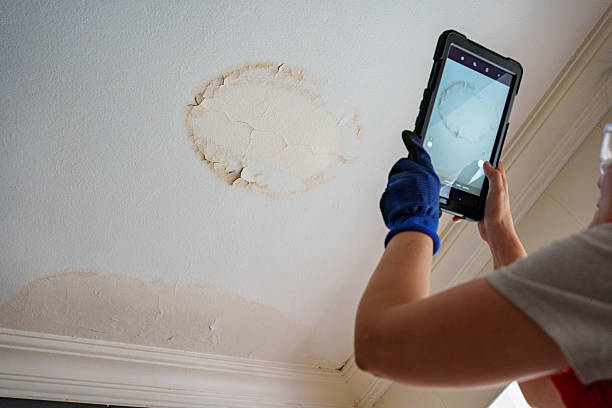
24/7 Emergency Burst Pipe Repair experts in Morgan County County, OH

Residential Water Damage Repair

Homes across Morgan County come in every shape, and each one dries differently. A newer slab ranch near town acts nothing like an old farmhouse on a fieldstone or block foundation. Old stone and block walls wick moisture constantly, so the contractor has to separate new water from the background dampness that has always been there. A good pro takes baseline readings on dry, unaffected walls before setting drying goals.

Manufactured homes come with their own set of problems. Leaks under the bath or water heater tend to empty into the belly wrap, the underside barrier holding the insulation. Water can sit there for weeks, sagging the wrap and soaking the fiberglass, before anyone sees a stain. Contractors who work manufactured homes open the wrap, drain it, pull wet insulation, dry the floor decking, and patch the barrier with proper belly tape.

Homes on a private well add another layer. A leaking pressure tank, a split line between the well pump and the house, or a failing tank bladder can flood a utility room or basement without warning. Shut the breaker to the well pump first so it stops pushing water.

Old farmhouses call for one more word of caution. Plaster and lath walls hold water longer than drywall, and they are worth saving when possible because the original materials are hard to match. Contractors may drill small weep holes at the base of a wall, inject dry air into the cavity, and leave the surface intact. Old wide-plank floors get the same thought, with drying mats and careful monitoring instead of tearing them out the first day. Before anything original comes out, ask the pro whether in-place drying will work.

  • Slab, crawlspace, and full-basement houses
  • Manufactured home belly wrap and subfloor drying
  • Leaks from well pumps, pressure tanks, and supply lines

Commercial, Farm, and Community Buildings

Small businesses in town rarely survive a week with the doors closed. When a diner, hardware store, or small office floods, the contractor often stages the work so part of the space stays open while wet zones are contained. Poly containment walls, negative air machines, and after-hours equipment checks keep the disruption down.

Churches and schools are a big part of life in the county, and they flood more often than people think. Fellowship hall kitchens, old boiler rooms, and gym floors are common trouble spots. Pros in the network plan drying around worship, events, and school days with trustees and maintenance staff.

For agricultural properties, the job is often the main house, a shop with living space, or a finished barn office. Expect the contractor to bring generators and extra hose if power or water access at the outbuilding is limited.

Commercial work also brings extra paperwork. Property managers, church boards, and school administrators often need a written scope, a drying plan, and daily moisture logs to share with insurers and decision makers. Commercial-focused pros in the network are familiar with this and can usually name the owner on an insurance certificate if asked. Ask about evening or weekend scheduling if daytime work will not fit.

  • Main street shops, offices, and diners
  • Churches, parish halls, and parsonages
  • Schools, community centers, and grange halls

Sewage, Crawlspaces, and Hidden Mold

A septic backup is a Category 3 loss, and it is handled very differently from a clean supply leak. The crew should show up with respirators, gloves, protective suits, and a plan to pull porous materials the sewage reached. Carpet and pad usually go out, drywall is cut above the wet mark, and remaining surfaces are cleaned and treated before any drying begins. Keep kids and pets out of the area until the work is done.

Crawlspaces are the most common hidden trouble spot in rural houses. A torn vapor barrier, a leaking drain line, or groundwater after storms can keep joists and sill plates damp for months. Contractors pump out standing water, pull soaked insulation, run dehumidification under the floor, and check framing with a pin meter.

Finding mold during demolition is common in older houses. If it turns up, a careful pro stops, contains the area, and follows real remediation rather than spraying and closing up.

Floodwater from creeks, drainage ditches, and low fields is also Category 3, even when it looks clear. It picks up soil bacteria, fertilizer, fuel, and anything else on the ground upstream. Expect the same protective approach as a septic backup, plus a careful look at the well if the wellhead was underwater. Health officials commonly advise testing and disinfecting a flooded well before drinking from it again.

  • Septic and sewer line backups
  • Crawlspace water removal and drying
  • Mold containment during demolition

Putting It Back Together, Permits Included

Drying is just the first half of the work. After the moisture readings hit the dry standard, someone has to hang drywall, replace flooring, set cabinets, and paint. Many contractors in the network handle rebuilds directly, while others team with local builders they trust.

Rebuild work outside town limits usually goes through the county building department instead of a city office. Electrical, plumbing, or structural repairs may need a permit and an inspection, especially if a water heater, panel, or load-bearing wall is involved. Ask your contractor who pulls the permit and when the inspector needs access. Working with someone who knows the county process cuts out a lot of waiting.

Before walls go back up, the contractor should confirm the framing is dry with a pin meter and log the final numbers. Closing a wall over damp studs is how mold shows up six months later. Ask to see that final reading and keep a copy with your insurance file. That paperwork comes in handy if you sell someday and a buyer asks about past leaks.

  • Replacing drywall, trim, floors, and cabinets
  • Coordinating county permits and inspections
  • Documentation for insurance adjusters

Still Have Water Coming In?

Call the line and a dispatcher will connect you with an independent local pro covering your part of Morgan County.

Call +1-877-637-9008
Why Call Us

Why Homeowners in Morgan County Call This Line

There is no charge to call, no obligation to hire, and no pressure to sign anything on the spot.

The process is the same whether you call from a farm kitchen or a storefront in town. You reach a real dispatcher instead of a recording, and you get a plain answer about who is coming and what happens first. Nobody sells you anything on the call, and nobody asks for a card number.

Written Pricing Up Front

You get a written scope or estimate before the big work starts, so nothing comes as a surprise.

Quick Response at Any Hour

The closest available contractor gets emergency calls, often arriving within the hour depending on location and demand.

Local Dispatch in Morgan County

Calls are matched by area, so the contractor coming to you already works the roads near your property.

Written Warranties From Pros

Many pros back their work with their own written warranty, and you can always call back to be routed to someone else.

Distance is the real challenge with county calls. A contractor at the other end of the county could need forty minutes or more on back roads, while a pro just minutes away sits free. Matching by area solves that problem. The dispatcher looks at your road, your nearest town, and who is on call, then routes the job to the closest independent pro who has the right equipment for your type of loss.

Almost everyone asks about cost on the first call. Water damage costs depend on affected square footage, water category, the number of drying days, and what needs replacing. So the contractor looks first and writes up the scope. Most work is billed using standard industry estimating software, the same kind insurance adjusters use, which makes claims smoother.

Accountability counts for more when you live miles from town. You cannot always walk down the street and get a second opinion. That is why the line stays available after the first visit. If a contractor misses a scheduled check, leaves equipment without explanation, or you are not comfortable with the scope, call back and we will route you to another independent pro in the area. Many network contractors have worked the county for years and depend on local reputation, so most take the work seriously.

How It Works

How a County Water Call Works

The same four steps apply whether you are on Main Street or far out on a county road.

  1. 1

    Call Dispatch

    You reach a live dispatcher who asks about the source, the affected area, and your utilities, then connects you with an independent pro.

  2. 2

    Rapid Mobile Arrival

    The pro calls you with an ETA and arrives with pumps, extraction units, air movers, and dehumidifiers ready.

  3. 3

    Expert Assessment & Quote

    Moisture gets mapped with meters and a thermal camera, the water category is confirmed, and you receive a written scope first.

  4. 4

    Resolution & Sign-Off

    Daily readings go into a drying log until everything reaches the dry standard, then the pro reviews results and next steps with you.

Rural places need a couple of extra details on the first call. Let the dispatcher know about gate codes, locked gates, or long driveways a trailer may not handle in mud or snow. Point out where the main shut-off sits, such as a curb stop, a valve near the pressure tank, or the well pump breaker. Mention dogs or livestock, any road the GPS misreads, and a landmark if your place is hard to find.

Our part does not stop once the crew arrives. If the contractor is running late, if the scope raises questions, or if something changes overnight, call the line again. Notes stay with your call, so there is no need to tell the story twice.

Dispatcher tip: Open the gate and turn on an outside light if possible. It saves a lot of time for a crew searching a dark road for your address.
Be Ready

Before the Crew Arrives

A few safe steps while you wait can shorten drying time and protect your things.

  • Close the main water valve, or turn off the well pump breaker if you have a private well.
  • Turn off power to wet rooms at the panel, but only if you can reach the panel without standing in water.
  • Stop using sinks, toilets, and the washer if the septic or sewer line is backing up.
  • Carry photos, documents, electronics, and rugs to a dry room or upstairs.
  • Slide foil or plastic under furniture legs so stains do not bleed into wet carpet.
  • Take photos and video of the damage before anything gets moved or tossed.
  • Call your insurance carrier to open a claim, and write down the claim number.
  • Stay out of any area with sewage, sagging ceilings, or wet electrical outlets.
Reliable Burst Pipe Repair contractor in Morgan County County, OH by Water Heater Repairer

Water Categories You Will Hear About

The IICRC S500 standard sorts water by contamination, and the category shapes everything the contractor does next. This is what each category looks like on properties around the county.

CategoryTypical County ExamplesWhat It Usually Means
Category 1 (clean)Broken supply line, leaking pressure tank, cracked well line, overflowing sinkFast extraction and drying, with most materials often saved if work starts quickly.
Category 2 (gray)Washer discharge, dishwasher overflow, sump pump failure, livestock waterer leak in a shopAntimicrobial treatment, more careful extraction, and carpet pad usually replaced.
Category 3 (black)Septic tank backup, broken sewer line, floodwater from creeks, fields, or ditchesFull protective gear, porous materials removed, surfaces cleaned and treated before drying.

The category can also shift the longer water sits. Clean water left for a few days in a warm basement can degrade to Category 2 or even 3 as bacteria build up. That is one more reason not to wait until morning to call.

What a Drying Week Looks Like

Day one is extraction, moisture mapping, and setting equipment. On days two and three, expect daily readings, equipment shifts, and maybe extra cuts if water is hiding behind cabinets or under tile. Around day four or five, most materials reach the drying goal and the crew removes equipment room by room. Expect noise and warm air throughout, since air movers and dehumidifiers run day and night. If the power drops, which happens on rural lines in storms, call the contractor so they can bring a generator or change the plan.

Real Stories

What Callers Across Morgan County Say

Some notes from people who called and were routed to an independent local contractor.

Our pressure tank failed overnight and soaked the utility room and most of the basement. The dispatcher told me to shut off the well pump breaker right away, which I never would have thought of. The contractor found our lane in the dark, pumped everything out, and had dehumidifiers running before sunrise. He stopped by daily to check readings until everything was dry.

Marla T.Homeowner, Morgan CountyPressure tank leak

We raise cattle, and our farmhouse is close to a century old on a stone foundation. A heavy rain pushed water through the cellar wall and into the room my wife uses as her office. They checked the dry walls first to set a baseline, and that made good sense to me. They managed to save the old plaster rather than ripping it out, and my wife was thrilled.

Gary H.Farm owner, Morgan CountyStorm seepage

Our fellowship hall kitchen flooded the Saturday before a funeral meal. I called from the church lot, and the contractor came up with a plan to dry the kitchen while keeping the hall open. They put up plastic barriers and checked their equipment twice that weekend. The luncheon went ahead in the main hall, and most people never knew anything had happened.

Ruth A.Church facilities volunteer, OHKitchen supply leak

We live in a manufactured home and never knew water was pooling in the belly wrap until the floor went soft. The contractor explained everything, drained it, pulled the wet insulation, and patched it with the right tape. I appreciated the written estimate before they started. The floor feels solid again, and they showed us how to check the wrap ourselves.

Denise P.Homeowner, Morgan CountyBelly wrap leak

The septic backed up into our basement bathroom on a Sunday. They came in full gear, flood cut the drywall, and treated everything before running the drying equipment. They also helped us understand what the insurance adjuster would need to see. The septic company and the contractor coordinated so we were not stuck in the middle.

Tom K.Homeowner, Morgan CountySeptic backup

Get Connected With a Pro

No charge to call, day or night, with independent licensed and insured pros throughout Morgan County.

Call +1-877-637-9008
FAQ

Questions We Hear Every Week

How fast can a Burst Pipe Repair technician arrive in Morgan County?

It comes down to your location and current call volume. The dispatcher routes your call to the closest available pro, and arrival is often within the hour depending on distance and demand. Homes far out on rural roads can take longer, and the contractor will call you with an arrival estimate. In the meantime, stop the water at its source and move valuables somewhere dry.

Do you provide upfront pricing?

Water Heater Repairer does not set prices, since independent contractors do the work. Contractors in the network inspect first and give you a written estimate or scope before major work begins. If you are filing an insurance claim, many pros write estimates in the same software adjusters use. If the scope grows after walls are opened, ask for the change in writing before extra work begins.

What emergency services are available?

Emergency services include extraction, basement pump-outs, structural drying, septic cleanup, board-up, and mold containment. Calls are answered every hour of every day, including weekends and holidays. Tell the dispatcher everything you can see, and the right type of contractor will be sent for your situation.

Do you cover rural and unincorporated parts of Morgan County?

Yes. The network covers incorporated towns, unincorporated communities, farms, and homes on rural routes. Share your road, the closest town, and a landmark, and mention any gate codes or long lanes. Pros working rural areas regularly handle well and septic systems, manufactured homes, and outbuildings.

What should I do if my septic system backs up into the house?

Stop using every fixture in the house right away, including toilets, sinks, and laundry. Keep people and pets away from the area, and call for a contractor who handles Category 3 cleanup. A septic company may need to pump the tank before cleanup is complete. Do not try to mop up sewage yourself without gloves, boots, and eye protection.

Will my insurance cover water damage repair?

It depends on your policy and what caused the water damage. Sudden losses like a broken pipe are commonly covered, but gradual leaks and flood may require other coverage. Call your carrier early, and ask the contractor for photos and moisture logs to support the claim. Hang on to receipts for tarps, fans, or lodging, because your policy may cover them.

Do I need a county permit to rebuild after water damage?

Cleanup and drying generally do not require a permit, but some rebuild work does. Electrical, plumbing, structural, and water heater work often needs a permit and inspection from the county if you live outside town limits. Check with the contractor about who pulls the permit. Leave the permit posted on site until the final inspection passes.

What happens if mold is found during the tear-out?

Finding mold is common in older homes and crawlspaces. A good contractor stops, contains the area with negative air, and follows S520-style remediation before moving on. Ask for an updated written scope for the extra work. For peace of mind, some owners hire a separate assessor to test before and after remediation.

Is Water Heater Repairer the company that does the work?

No. Water Heater Repairer is a no-cost dispatch line connecting you with independent, licensed and insured local pros. The contractor you choose is responsible for the work, the estimate, and any warranty they provide. The call is free, and you are under no obligation to hire whoever arrives.

Coverage

Every Corner of Morgan County County, OH Covered

Network contractors cover the entire county, not only the county seat.

Towns and Villages

Incorporated towns, villages, and the county seat, including older downtown buildings and newer subdivisions.

Rural Communities

Small crossroads communities, lake homes, and rural route properties outside town limits.

Farms and Acreage

Farmhouses, shop apartments, and finished outbuildings running on well and septic.

Businesses and Institutions

Storefronts, offices, churches, schools, and community buildings.

Back roads change with every season, and dispatch plans around it. Spring thaw softens gravel lanes, summer storms wash out low crossings, and winter puts ice on the hills between towns. When a road is closed or a bridge is posted, the call goes to a contractor who can come from the other direction. Freeze season is also when burst pipes in unheated well houses, pump pits, and seasonal cabins spike, so the on-call list gets longer when temperatures drop.

Seasonal properties account for a good share of county calls too. Hunting cabins, lake cottages, and rentals often sit empty for weeks, so a leak can run for days before anyone finds it. Owners should share when the place was last visited, whether it was winterized, and who can let the crew in or leave a key. Many network contractors can send photos and readings so an owner living elsewhere can stay informed.

Top rated local Burst Pipe Repair specialists in Morgan County County, OH

ZIP codes served include and the surrounding rural routes. Not sure your address is covered? Call and ask. A dispatcher will know in a minute who is available near you.

Call +1-877-637-9008

Our Services in Morgan County County, OH

Call +1-877-637-9008
🟢 Techs On Duty in Morgan County County, OH Call +1-877-637-9008